Once Again on the Asceticon of Abba Isaiah

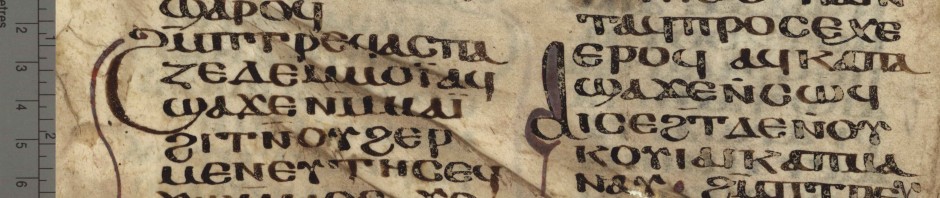
During the past year, I have presented several times new manuscripts containing the Coptic version of the Asceticon of Abba Isaiah. Thus, I had the opportunity to write, however briefly, about 1) the first fragments from the Bohairic version of his writings; 2) some complements to one of the Sahidic codices published by Guillaumont (the codex A of his edition);[1] and 3) about the extracts from various Logoi of Abba Isaiah, which appear in a Sahidic manuscript from the White Monastery. In the future, I hope to put everything together in a new, updated, edition of the Coptic version(s) of the Asceticon.

Some new Sahidic bits from the ascetic Logoi of Abba Isaiah came to light just a few days ago, while I was checking the catalogue of the Coptic fragments which were once in the library of the Catholic University in Louvain. These fragments were destroyed in May 1940, when the library was bombed and burned down. Luckily, a few years before the tragic incident, Mgr Louis Théophile Lefort managed to publish a catalogue of the Coptic manuscripts in this collection, preserving thus their memory for future scholarship. Continue reading

Posted in Ascetic Authors, Isaiah of Scetis | Tagged , , , , , , , , , | 5 Comments

Fenoyl – Le Sanctoral copte

Maurice de Fenoyl, Le Sanctoral copte (Recherches publiées sous la direction de l’Institut de Lettres Orientales de Beyrouth, 15; Beirut: Imprimerie Catholique, 1960) download here.

Posted in Bibliographies, Liturgical Books | Tagged , , , , , | Leave a comment

Guest Post: Christian Askeland on the Coptic Versions of the Gospel of John

In earlier posts, Alin announced his discovery of several previously unidentified fragments of the Fayumic New Testament.  These discoveries are particularly exciting for those of us involved in the textual criticism of the New Testament.

In 1874, the Bishop of Durham, Joseph Lightfoot, published an essay in which he argued for the high value of the Coptic New Testament for research on the earliest Greek text (in Scrivener, Introduction to the Criticism of the New Testament).  Lightfoot argued for the priority of three early translations in Greek New Testament textual criticism: the Latin, Syriac and Coptic.  I refer to these as the holy trinity of the early versions.

Continue reading

Posted in Bible, Guest Post, New Testament | Tagged , , , , , , | 5 Comments

The 2nd St Andrews Graduate Conference for Biblical and Early Christian Studies

Via Dan Batovici:

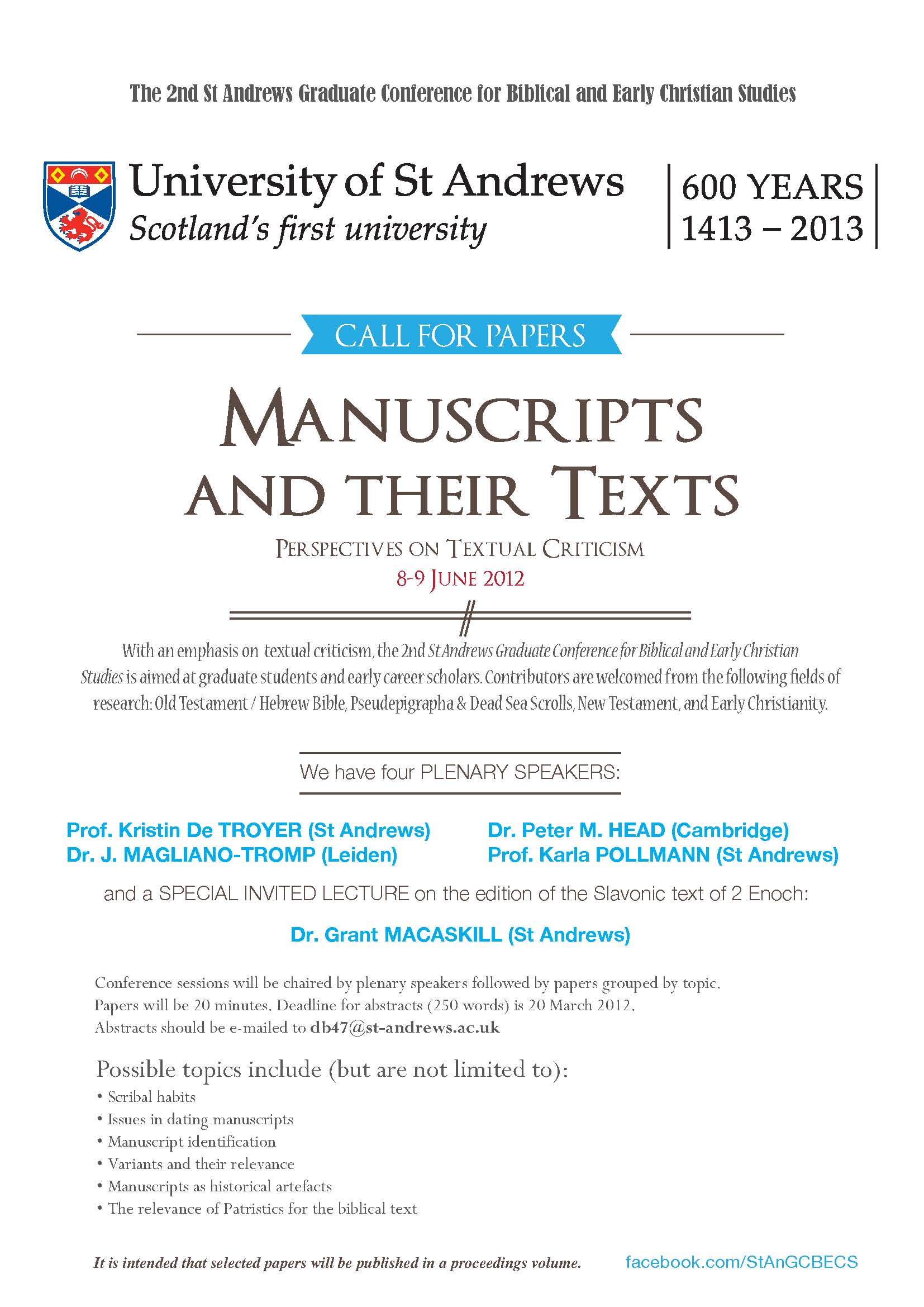
The 2nd St Andrews Graduate Conference for Biblical and Early Christian Studies

Manuscripts and their Texts: Perspectives on Textual Criticism – 8-9 June 2012

St Mary’s College, University of St Andrews

Call for Papers

Conference registration will be open soon but you can download the conference flyer (PDF, 164 KB)

With an emphasis on textual criticism, the second St Andrews Graduate Conference for Biblical and Early Christian Studies is aimed at graduate students and early career scholars. Contributors are welcomed from the following fields of research: Old Testament / Hebrew Bible, Pseudepigrapha & Dead Sea Scrolls, New Testament, and Early Christianity.

We have four invited plenary speakers:

  • Prof. Kristin De Troyer (St Andrews)
  • Dr. Johannes Magliano-Tromp (Leiden)
  • Dr. Peter M. Head (Cambridge)
  • Prof. Karla Pollmann (St Andrews)

We will also have a special invited lecture from Dr. Grant Macaskill (St Andrews), on his edition of the Slavonic text of 2 Enoch.

Conference sessions will be chaired by plenary speakers followed by papers grouped by topic.

Deadline for sending 250-word paper proposals to db47@st-andrews.ac.uk is 20 March 2012. Papers will be 20 minutes long

Possible topics include (but are not limited to):

  • Scribal habits
  • Issues in dating manuscripts
  • Manuscript identification
  • Variants and their relevance
  • Manuscripts as historical artefacts
  • The relevance of Patristics for the biblical text

It is intended that selected papers will be published in a proceedings volume.

Posted in Uncategorized | Tagged , , , , , , | Leave a comment

First Summer School on Christian Apocryphal Literature. Strasbourg, France, 24-27 June 2012

I just got an e-mail from the Association pour l’étude de la littérature apocryphe chrétienne (AELAC) concerning the First Summer School on Christian Apocryphal Literature, which will take place in Strasbourg between 24-27 June 2012. Right after the summer school (June 28-30), the annual reunion of AELAC will be held in Dole, where I might deliver a report concerning some Coptic apocryphal texts (I wish to thank Dr. Jean-Daniel Kaestli for the  kind invitation).

Summer School
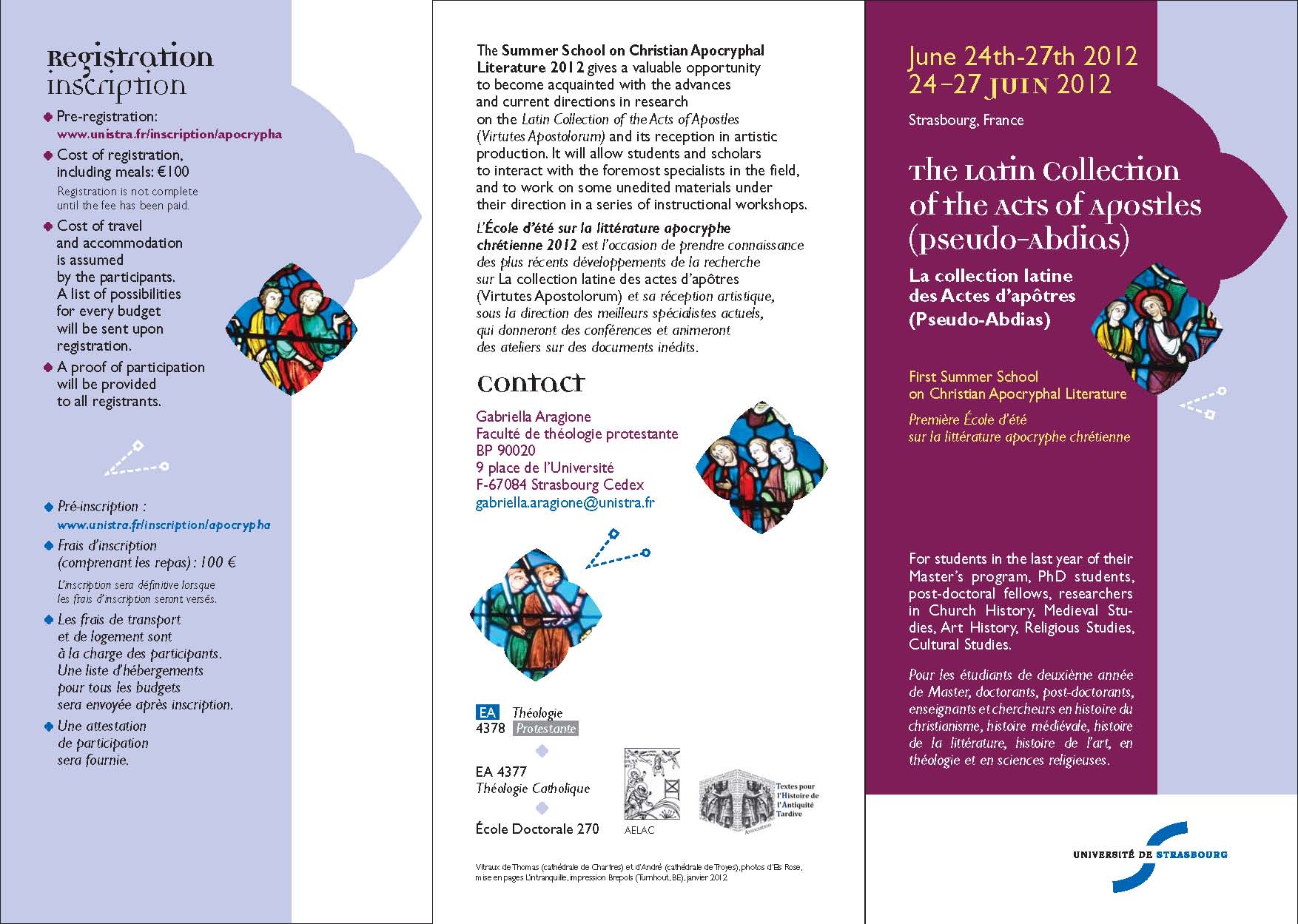
The Latin Collection of the Acts of the Apostles (pseudo-Abdias)
First Summer School on Christian Apocryphal Literature
Strasbourg, France, 24-27 June 2012

The Summer School on Christian Apocryphal Literature 2012 gives a valuable opportunity to become acquainted with the advances and current directions in research on the Latin Collection of the Acts of Apostles (Virtues Apostolorum) and its reception in artistic production. It will allow students and scholars to interact with the foremost specialists in the field and to work on some unedited materials under their direction in a series of instructional workshops.

Pre-registration can be accessed at: http://www.unistra.fr/inscription/apocrypha. Cost of registration: €100 (including meals). Cost of travel/accommodation is assumed by the participant.

For further details please contact Gabriella Aragione, Faculté de théologie protestante
BP 90020,
9, Place de l’Université,
F-67084 Strasbourg Cedex
Gabriella.aragione@unistra.fr

More information on the FMRSI blog.

Posted in Uncategorized | Tagged , , , , | 2 Comments

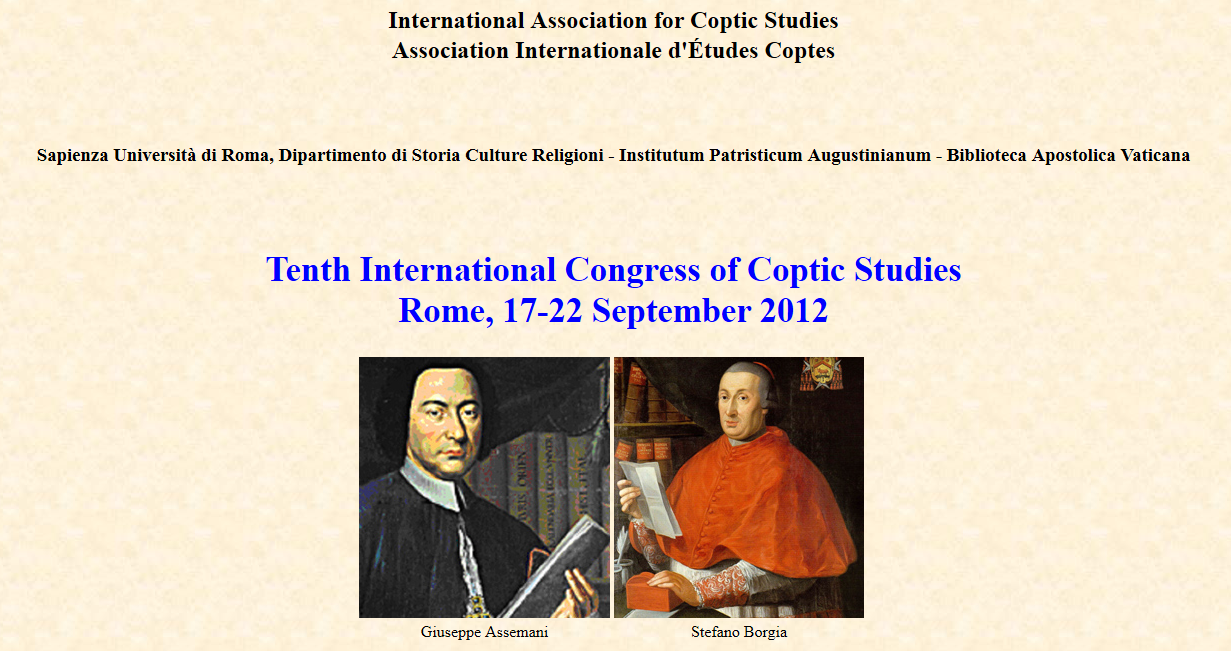
The 10th International Congress of Coptic Studies (Rome, 17-22 September 2012)

Visit the webpage of the 10th International Congress of Coptic Studies, which will take place between 17-22 September 2012 in Rome. The organizing committee: Paola Buzi, Alberto Camplani, Tito Orlandi.

Webpage of the Congress

Posted in Uncategorized | Tagged , , , , , | 2 Comments

A. Kropp, Ausgewählte koptische Zaubertexte

Angelicus Kropp, Ausgewählte koptische Zaubertexte Bd. I: Textpublikation (Brussels: Edition de la Fondation égyptologique reine Elisabeth, 1930) download

Angelicus Kropp, Ausgewählte koptische Zaubertexte Bd. II: Übersetzungen und Anmerkungen (Brussels: Edition de la Fondation égyptologique reine Elisabeth, 1931) download

Angelicus Kropp, Ausgewählte koptische Zaubertexte Bd. III: Einleitung in koptische Zaubertexte (Brussels: Edition de la Fondation égyptologique reine Elisabeth, 1930) download

© Institut für Papyrologie, Ruprecht-Karls-Universität Heidelberg

Posted in Apocrypha, Bibliographies | Tagged , , , , | 5 Comments

P. Lacau, Fragments d’apocryphes coptes

P. Lacau, Fragments d’apocryphes coptes (MIFAO, 9; Cairo: Imprimerie de l’IFAO, 1904) download the book (89 MB)

Posted in Apocrypha, Bibliographies | Tagged , , , , , , | Leave a comment

P. Ladeuze, Etude sur le cénobitisme pakhomien

I have just seen that the downloadable version of Paulin Ladeuze‘s book concerning the Pachomians has vanished from archive.org. For this reason I found it useful to scan the volume and put it up here.

P. Ladeuze, Etude sur le cénobitisme pakhomien pendant le IVe siècle et la première moitié du Ve (Louvain – Paris: J. van Linthout, 1898) click here to download

Posted in Bibliographies | Tagged , , , , , , | Leave a comment

W. Till, Koptische Heiligen- und Martyrerlegenden

Walter Till, Koptische Heiligen- und Martyrerlegenden vol. 1 (Orientalia Christiana Analecta, 102; Rome: Pontificium Institutum Orientalium Studiorum, 1935) (download here)

Walter Till, Koptische Heiligen- und Martyrerlegenden vol. 2 (Orientalia Christiana Analecta, 108; Rome: Pontificium Institutum Orientalium Studiorum, 1936) (download here)

Posted in Bibliographies | Tagged , , , , , | 1 Comment

4th International Summer School in Coptic Papyrology

Via Coptist and International Association for Coptic Studies:

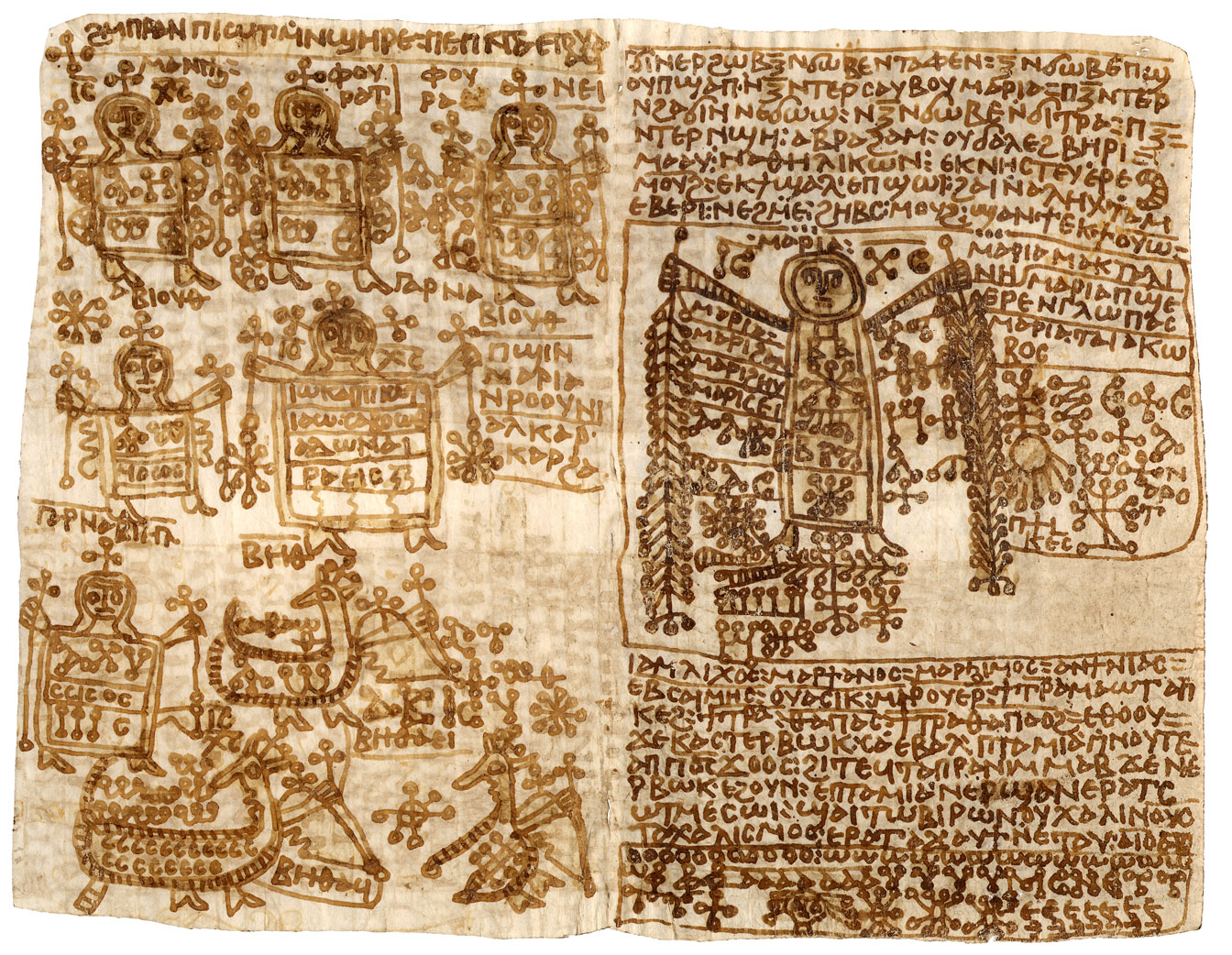
An International Summer School in Coptic Papyrology, the fourth one of its kind after Vienna 2006, Leipzig 2008 and Strasbourg 2010, will be held in Heidelberg from 26 August to 9 September 2012. It will be organized by the Institute for Papyrology and the Institute for Egyptology of the University of Heidelberg. Advanced Students and graduates from fields such as Coptology, Egyptology, papyrology, religious studies, ancient history, Arabic studies, or Byzantine studies are invited to participate, provided they have acquired a solid knowledge of Coptic. There will be four classes to apply for (Coptic legal documents, Coptic letters, late Coptic documents, and Coptic magical texts). Students will have the opportunity to work on unpublished original papyri. A fee of € 450, – will include accommodation for 15 nights, daily breakfast and lunch, and expenses for site seeing offers. The number of places is restricted to 20.

Page from the Heidelberg Papyrus Cop. 1 (perhaps 6th century AD), containing the apocryphal Acts of Paul in Coptic (source of the image)

How to apply? Continue reading

Posted in Uncategorized | Tagged , , , , , , | 1 Comment

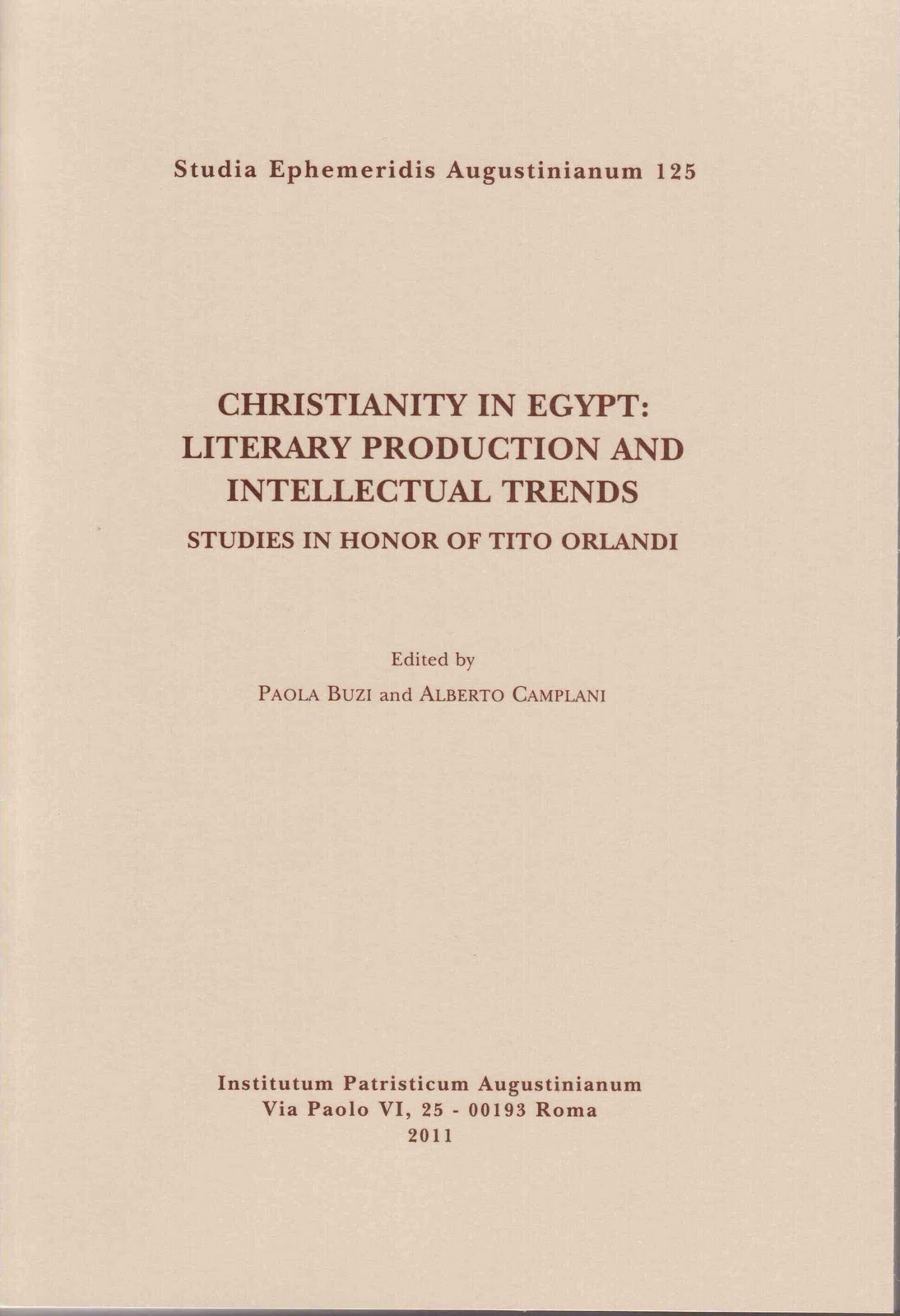
P. Buzi & A. Camplani, Christianity in Egypt. Festschrift Tito Orlandi (Rome 2012)

After the Mélanges offerts à Wolf-Peter Funk, edited by Paul-Hubert Poirier & Louis Painchaud in 2006 (available here), another Festschrift of high interest for Coptological studies has been published: Paola Buzi & Alberto Camplani (eds.), Christianity in Egypt: Literary Production and Intellectual Trends. Studies in Honor of Tito Orlandi (Studia Ephemeridis ‘Augustinianum,’ 125; Rome: Istituto Patristico Augustinianum, 2011). See also Tito Orlandi’s webpage (many articles available online) and that of the project Corpus dei manoscritti copti letterari, his life-long achievement.

Via Archaeogate:

“Christianity in Egypt: Literary Production and Intellectual Trends” collects papers offered to Tito Orlandi, in order to celebrate his long and fruitful academic and scientific life. Scholars of Coptic Egypt, who, in various ways, have interacted with him, offer a contribution on Christian Egypt and Coptic literary production. This volume has the ambition to be in line with Tito Orlandi’s diverse efforts and includes the publication of partially or totally inedited texts, such as the new Ethiopic version of Traditio apostolica (A. Bausi), or the Allocutio ad monachos attributed to Athanasius (A. Boud’hors), the reconstruction of Coptic codices and texts with an analysis of related cultural and linguistic problems (B. Layton, E. Lucchesi, A. Suciu – E. Thomassen, S. Torallas-Tovar); considerations about the Coptic manuscript tradition (P. Buzi), the codicological method (S. Emmel), Coptic literature in relation with Greek patristic literature and Greek rhetoric (S. Voicu, M. Sheridan), as well as the presentation of new research studies in hagiography (H. Behlmer, D. Johnson) and liturgy in its connection with magic and apocryphal literature (J. van der Vliet). Some essays are tied to Tito Orlandi’s traditional interest in Coptic history and historiography (Ph. Blaudeau, A. Camplani, J. den Heijer – P. Pilette, M. Simonetti, E. Wipszycka), others, on the base of his critical investigations and editorial activity on monastic and theological texts, deal with monastic exegesis and spirituality (Th. Baumeister, D. Bumazhnov, J.E. Goehring, J. Timbie) and Alexandrian hermeneutics and theology (E. Prinzivalli), while the contributions on Gnosticism are connected to his attention to Gnostic texts (C. Gianotto, G. Lettieri, J.D. Turner). At the end are to be mentioned the essays offered by eminent Egyptologists on Coptic papyri (S. Donadoni), classical Egyptology (S. Pernigotti), and archaeology (E. Bresciani). Continue reading

Posted in Bibliographies | Tagged , , , , , , , | 3 Comments

Rossi’s Edition of the Coptic Papyrus Codices in the Egyptian Museum in Turin 1

Although published a long time ago by the Italian Egyptologist Francesco Rossi, the collection of seventeen Coptic papyrus codices which are preserved in the Egyptian Museum in Turin is still little-known outside a small group of Coptologists. Starting with 1883, Rossi published the texts of the papyri in ten fascicles of the Memorie della Reale Accademia delle Scienze di Torino. The fascicles were gathered together afterwards in two thick volumes under the title I papiri copti del Museo Egizio di Torino (vol. 1: 1887; vol. 2: 1892).

However, Rossi’s publications has numerous shortcomings. The most important of these shortcomings is doubtlessly his negligence in organizing the material. It is not only that sometimes he neglected to mention whether the texts he edited come from the same manuscript or not but, moreover, he included fragments from the same work in several different fascicles he published during the course of time. These errors were soon noticed by other scholars. For example, many useful emendations are scattered in Oscar von Lemm‘s Koptische Studien & Miscellen. For his part, Robert Atkinson published a critical article concerning Rossi’s haphazard method of editing.

A few words are in order concerning the provenance of the Coptic codices in Turin. They were acquired in Egypt, together with other antiquities, by Bernardino Drovetti, who was general consul of France in Cairo until 1815. In 1821, Drovetti sent the papyri to the Egyptian Museum in Turin, where they were studied for the first time by Amedeo Peyron.

In the covers of one of the codices the volume’s index was discovered, which ends with the remark that the codex belonged to the church of Thinis. This provenance is confirmed by an ex-dono note in another manuscript, which mentions that the book was the property of the Church of John the Baptist in Thinis. This town was the capital of the Thinite nome in Upper Egypt.

Further details about the Turin papyri can be found in T. Orlandi, “Les papyrus coptes du Musée Egyptien de Turin,” Le Muséon 87 (1974) 115-127 (article available here).
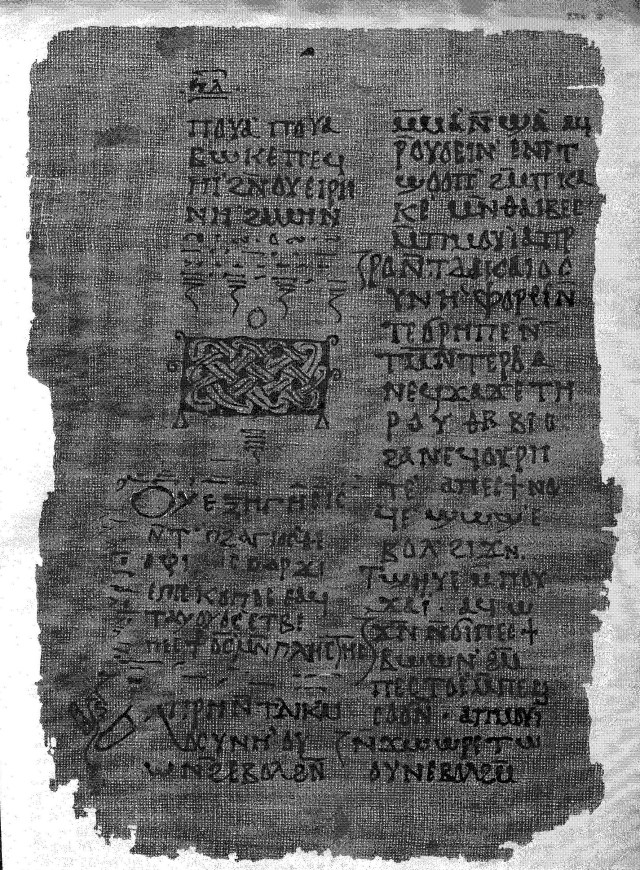
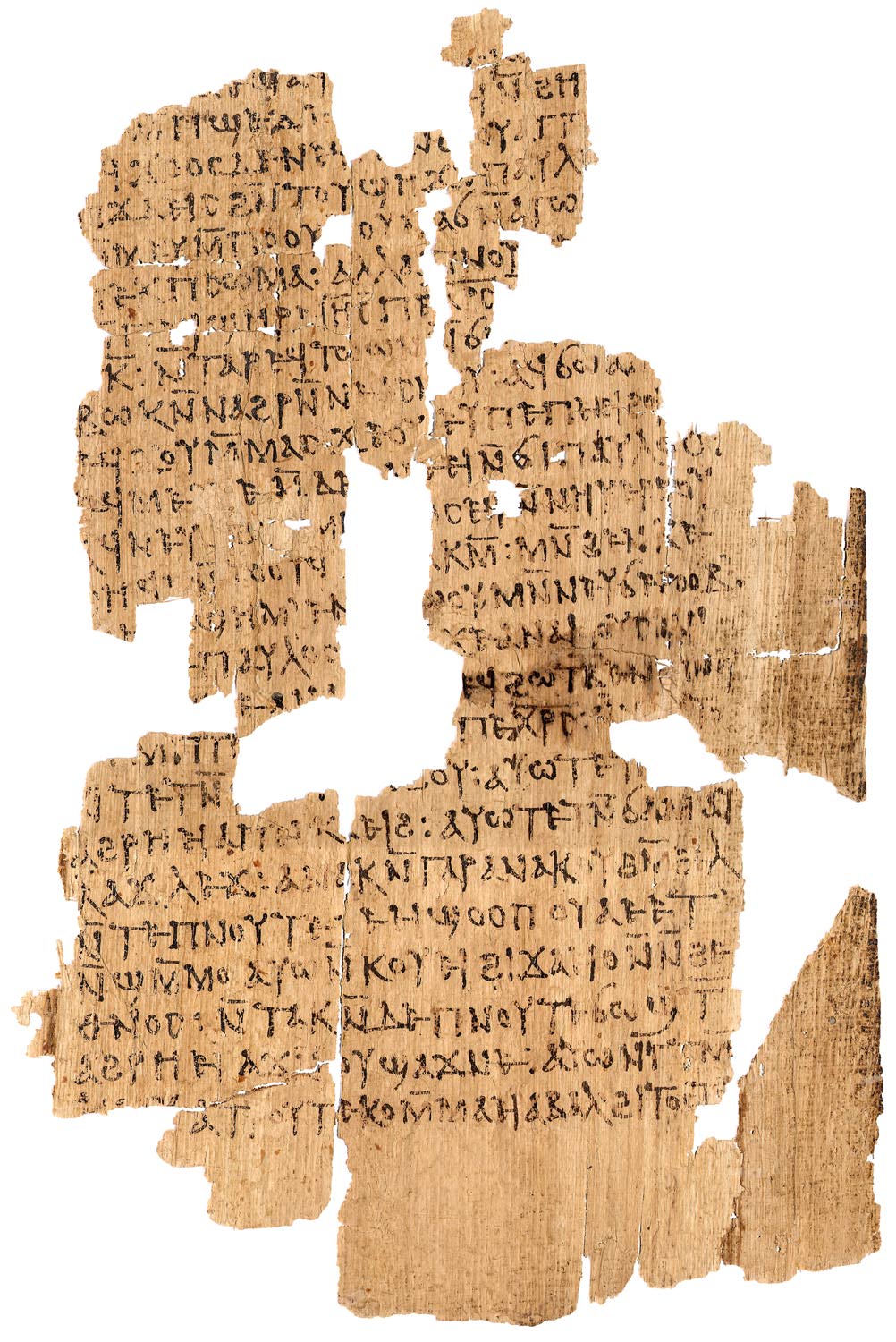
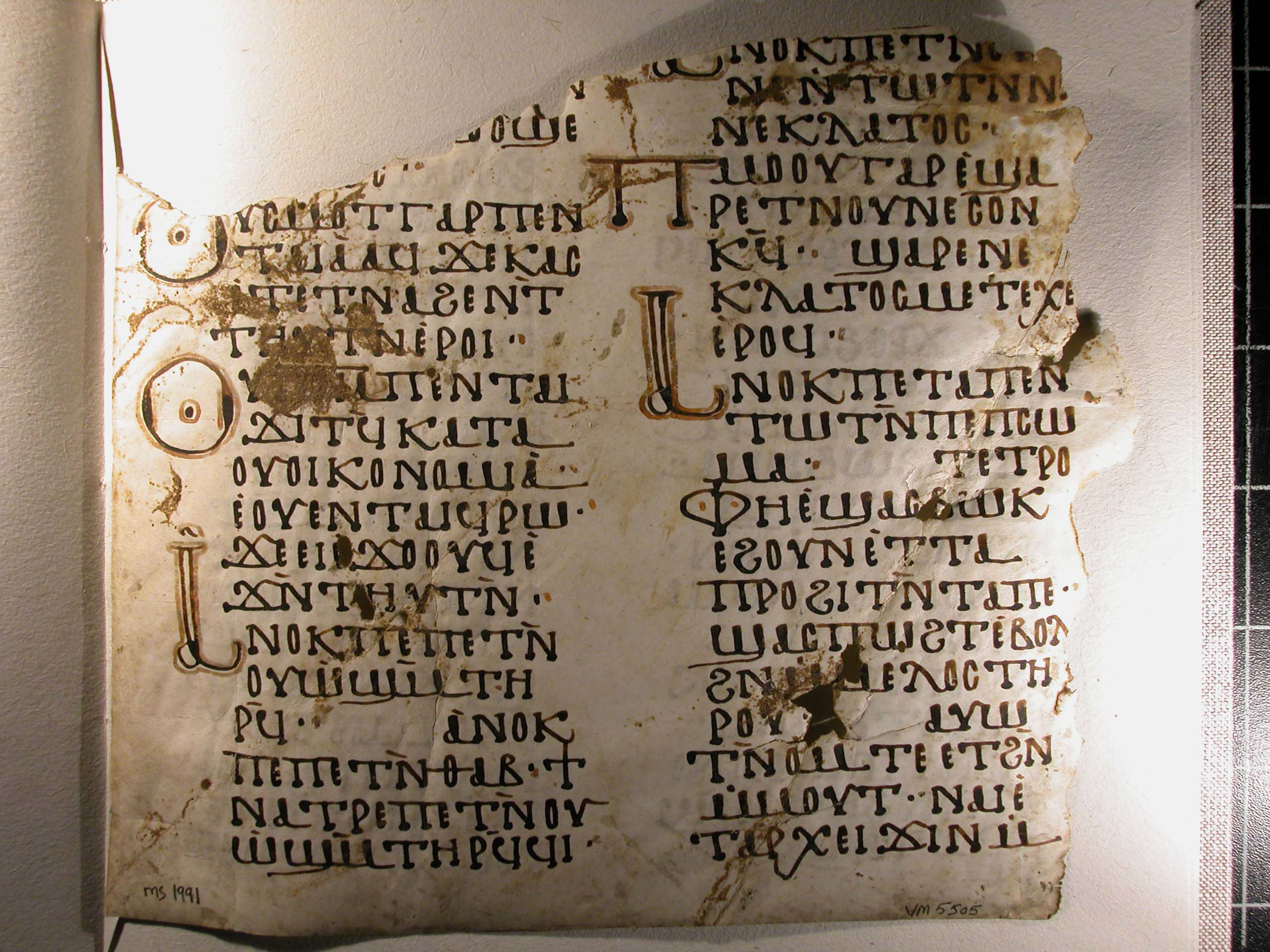
Papyrus page containing the beginning of a homily on the Cross and the Good Thief attributed to Theophilus of Alexandria

Here are the five fascicles of the first volume published by Rossi and their content. I will put up the second volume as soon as I finish to scan it.

Continue reading

Posted in Bibliographies | Tagged , , , , , , , | 13 Comments

R. Draguet – Julien d’Halicarnasse

R. Draguet, Julien d’Halicarnasse et sa controverse avec Sévère d’Antioche sur l’incorruptibilité du corps du Christ (Louvain: Imprimerie P. Smeesters, 1924) download here.

This book explores the background of the so-called heresy of the aphthartodocetae, a non-Chalcedonian movement initiated by Julian of Halicarnassus, who maintained that the body of Christ was incorruptible (aphthartos). Severus of Antioch reacted against this view whilst he was in exile in Alexandria. Following Cyril of Alexandria’s teaching concerning the balance between the human and divine aspects of Christ, Severus argued that if the body of Christ would have been incorruptible, the Savior was not subject to suffering. The incorruptibility (aphtharsia) and impassibility (apatheia) of Christ would deny the salvific process of humankind. Thus Severus understood the Julianist teaching as a revival of Eutychianism.

Draguet documented the Syriac sources of the debate between Julian of Halicarnassus and Severus of Antioch and argued that Severus did not fully understand the doctrine of his opponent. Julian did not defend the position of Eutyches of Constantinople concerning the incorruptibility of Christ’s body, but rather he built a theological argument centered on the doctrine of original sin. According to Julian, the sin entered into the world through Adam’s disobedience and henceforth human beings have been corrupted. However, Jesus Christ remained incorruptible (aphthartos) because he is the only one not subjected to original sin, even though he was fully human and his suffering was real.

Posted in Bibliographies, Patristics, Severus of Antioch | Tagged , , , , , , , | 2 Comments

P. Van Cauwenbergh – Etude sur les moines d’Egypte

I just started to scan some books which seem to be out of copyright but are not available yet in electronic format. Today’s book:

P. van Cauwenbergh, Etude sur les moines d’Egypte depuis le Concile de Chalcédoine (451) jusqu’à l’invasion arabe (640) (Paris – Louvain:  P. Geuthner – P. Desbarax, 1914) click here to download.

Adolphe Hebbelynck’s review of van Cauwenbergh’s volume (in Revue d’histoire ecclésiastique 17 [1921] 103-108) can be read here.

Posted in Bibliographies, Monasteries | Tagged , , , , | Leave a comment

J.-C. Guy, Recherches sur la tradition grecque des Apophthegmata Patrum

J.-C. Guy, Recherches sur la tradition grecque des Apophthegmata Patrum (Subsidia hagiographica, 36; Bruxelles: Société des Bollandistes, 1962).

The book (66.5 MB) is available here.

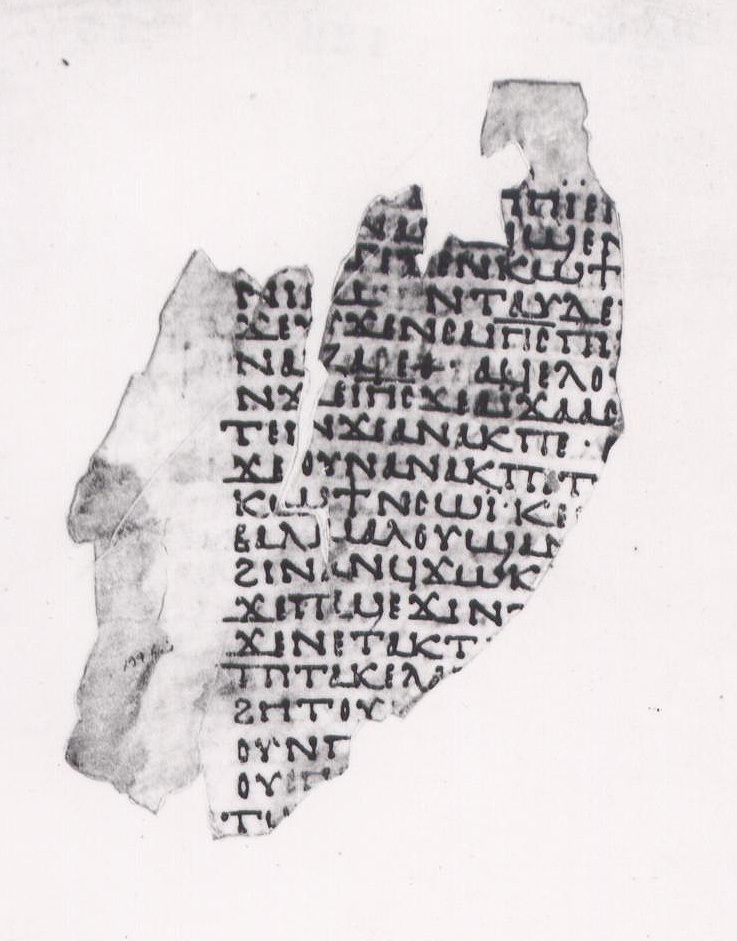
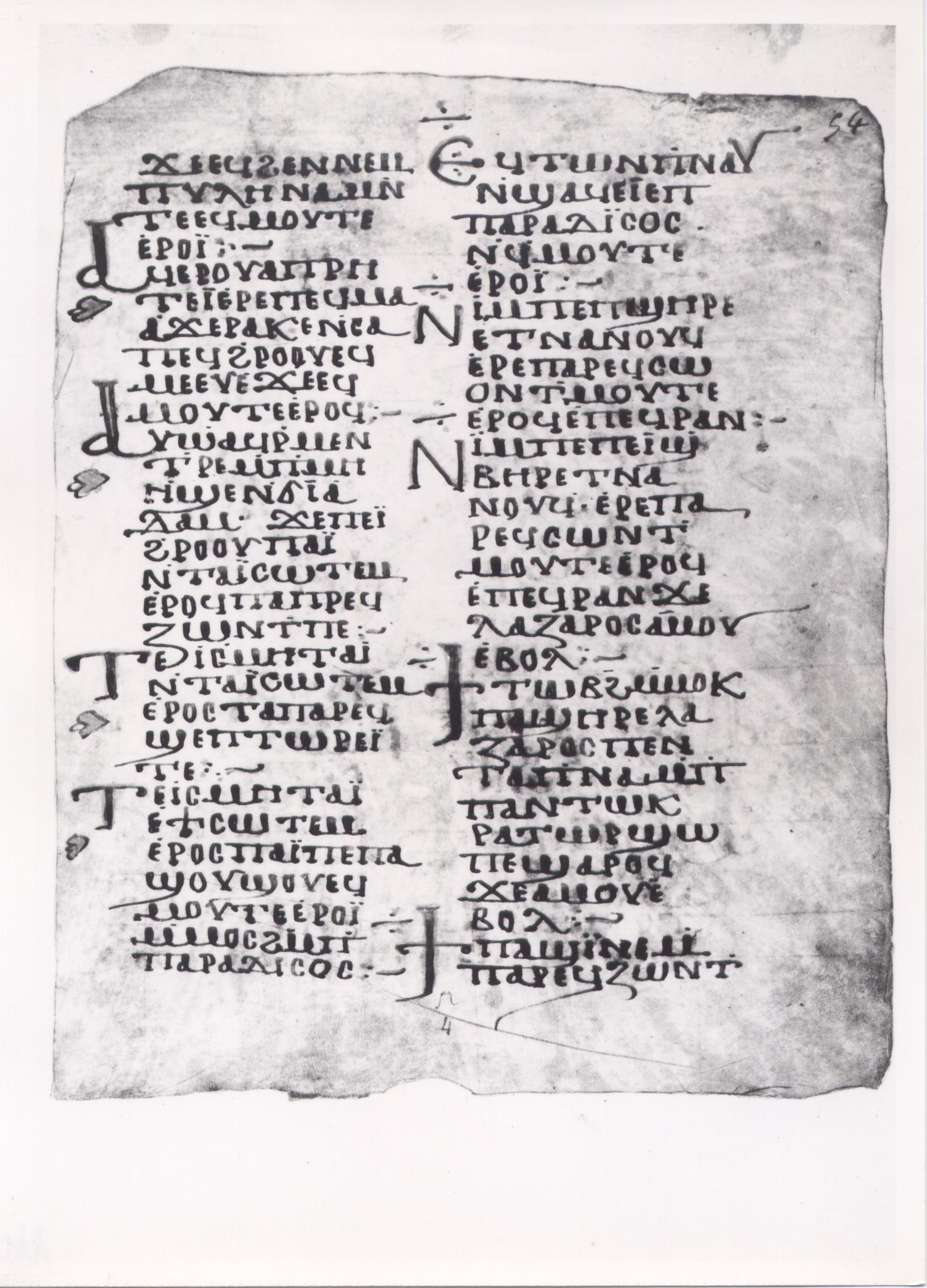
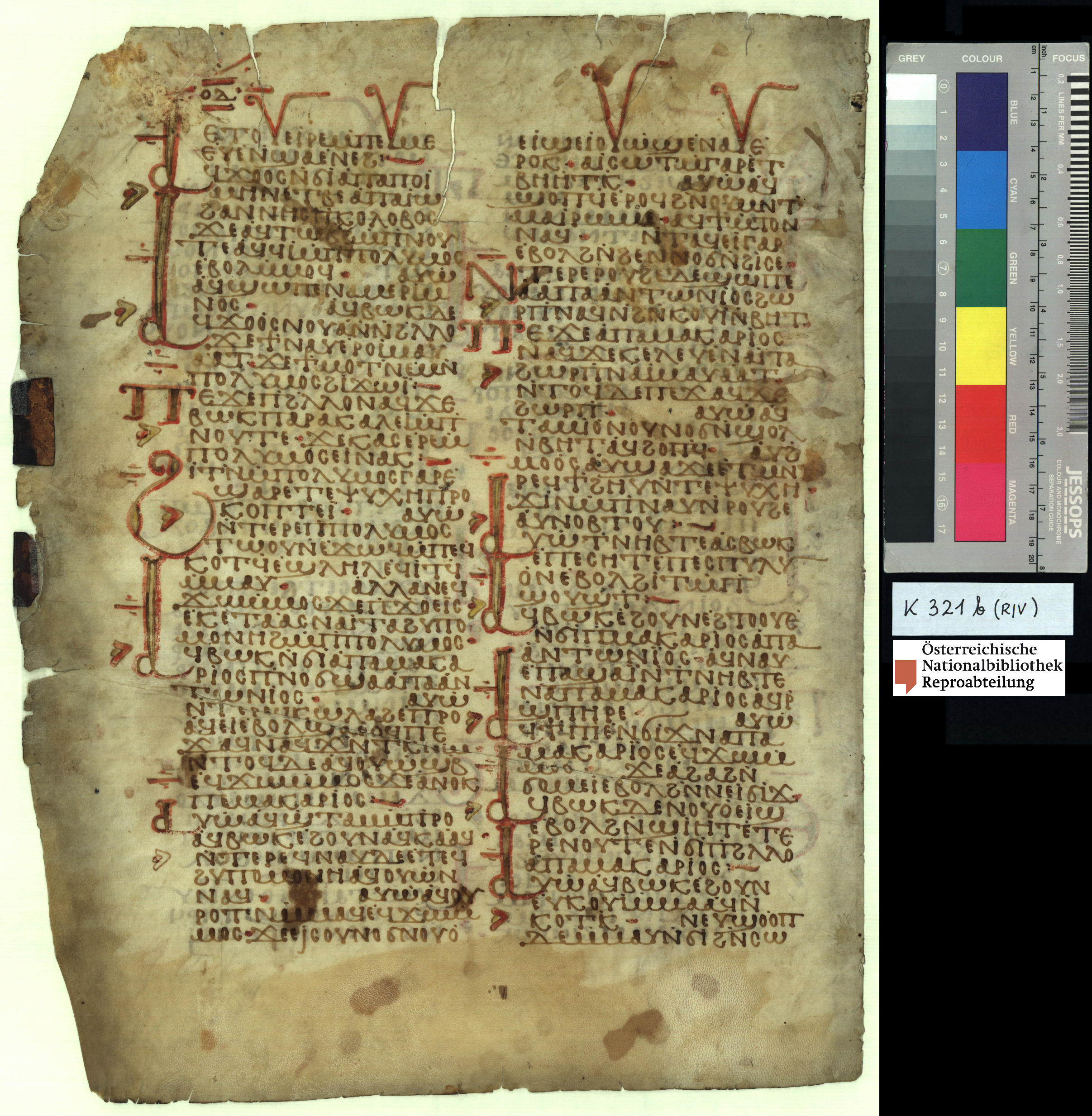
Vienna, Österreichische Nationalbibliothek, MS K321b verso. Parchment leaf with the text of the Apophthegmata Patrum in the Sahidic dialect of Coptic (the photo was taken from the website of the Austrian National Library).

Posted in Ascetic Authors, Patristics, Uncategorized | Tagged , , , , , , | 2 Comments

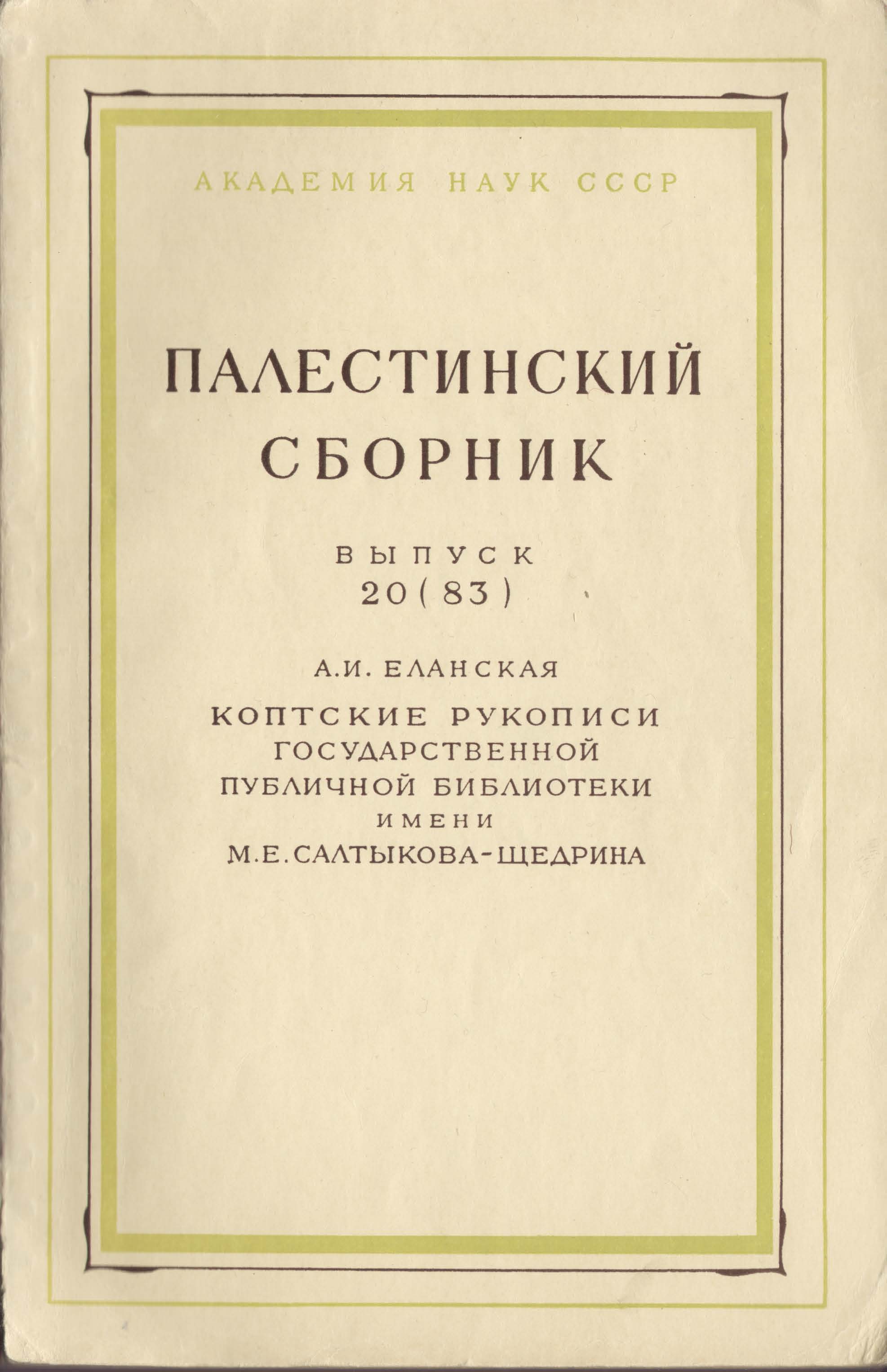
A.I. Elanskaya, Coptic Manuscripts of the M.E. Saltykov-Schedrin State Public Library

Ivan Miroshnikov, my colleague from Helsinki, sent me a PDF version of A.I. Elanskaya, Коптские рукописи Госупарственной библиотеки имени М.Е. Салтыкова-Щедрина (= Coptic Manuscripts of the M.E. Saltykov-Schedrin State Public Library) Palestinskij Sbornik 20 (1969). Now, I must admit I am quite enthusiastic of having this rare gem so I thought I must share it.

The book contains editions of the Coptic manuscripts which are kept in the National Library in Saint Petersburg. The introduction to this volume is available also in French in A. Elanskaya, “Description des manuscrits coptes de la bibliothèque nationale publique ‘Saltykoff-Chtchédrine’ de Saint-Pétersbourg,” in Études coptes IV (Cahiers de la bibliothèque copte, 8; Paris – Louvain: Peeters, 1994) 1-39 (translation by A. Rosenstiehl).

As Ivan informed me, the scan is made from a copy which was given by Elanskaya to the Soviet Egyptologist Tatiana Savelieva. On the first page can be seen Elanskaya’s hand-written dedication.

Download the book here.

Posted in Uncategorized | Tagged , , , , , , | 2 Comments

An Unknown “Apocryphal” Texts from the White Monastery: Update

The article which I wrote with Einar Thomassen (University of Bergen) concerning a gospel-like apocryphon has appeared in the Festschrift Tito Orlandi: A. Suciu & E. Thomassen, “An Unknown ‘Apocryphal’ Text from the White Monastery,” P. Buzi & A. Camplani (eds.), Christianity in Egypt: Literary Production and Intellectual Trends. Studies in Honor of Tito Orlandi (Studia Ephemeridis ‘Augustinianum,’ 125; Rome: Istituto Patristico Augustinianum, 2011) 477-499.

Congratulations to the editors, Alberto Camplani and Paola Buzi, for this wonderful book!

Posted in Apocrypha, Articles | Tagged , , , , , , , , | Leave a comment

Orientalia Christiana Periodica Article

My article on the Coptic manuscripts in Naples has just been published in the latest issue of Orientalia Christiana Periodica: A. Suciu, “The Borgian Coptic Manuscripts in Naples: Supplementary Identifications and Notes to a Recently Published Catalogue,” Orientalia Christiana Pariodica 77 (2011) 299-325.

Posted in Articles | Tagged , , , | 2 Comments

Putting Together the Puzzle of a Christmas Story: A Coptic Document in Princeton and Its Related Fragments

Because Christmas is coming, I will discuss in this post a Coptic text which deals with the birth of Jesus. A fragment of the work in question is preserved in the Princeton University Library and it is available in Cullen I. K. Story’s English translation.[1] I will show here that the Princeton manuscript is completed by other fragments which are kept in a different location. Even if the additional parts were in their turn studied and partially published by Roelof van den Broek, it has not been noticed that they are in fact pieces of the same Coptic Christmas story.

The aforementioned Princeton manuscript is a sheet of parchment formed of two conjoined leaves (i.e. a bifolio) paginated consecutively 35-36 and 37-38. The text discusses the virgin birth of Christ, the announcement to the shepherds, the visit paid to Jesus by the Magi from the East, and the massacre of the innocents by the hand of Herod.

According to information supplied by Cullen Story in his article and repeated on the website of the papyri collection of the Princeton University, the bifolio was bought by Edmund H. Kase Jr. in Paris from Maurice Nahman, a renowned antiques dealer which I already mentioned in other occasions. It appears that the Princeton University Library purchased the manuscript from Kase in 1957.

Here’s a photo of the manuscript reproduced in Cullen Story’s article:

Story said in his paper that,

“Nahman suggested that other parts of the manuscript might be in the possession of the Pierpont Morgan Library in New York. Continue reading

Posted in Apocrypha, New Testament | Tagged , , , , , , , , , , , | 3 Comments