I have already discussed here and here the ten Coptic fragments auctioned in July 2009 at Sotheby’s in London. They are all datable to the 10th century and belonged once to the library of the White Monastery, situated in Upper Egypt, near the ancient Panopolis.
The fragments have been purchased from Sotheby’s by Bolaffi in Turin, and in the meanwhile the new owners have supplied me with high-quality photos of the entire lot. I am indebted to them for their generosity.
As I said in my previous posts, the “Sotheby’s fragments” prove to be quite valuable. They preserve parts of the following works:
Cyril of Alexandria, Scholia on the Incarnation of Monogenes (CPG 5225).
ps.-Cyril of Jerusalem, On the Passion of Christ, homily 1 (CPG 3598; clavis coptica 0114).
ps.-Cyril of Jerusalem, On the Finding of the True Cross (CPG 3602; clavis coptica 0120).
ps.-Evodius of Rome, On the Passion of Christ (clavis coptica 0149).
It is noteworthy that all except Cyril of Alexandria’s Scholia incorporate apocryphal legends.
THE NEWLY IDENTIFIED FRAGMENT
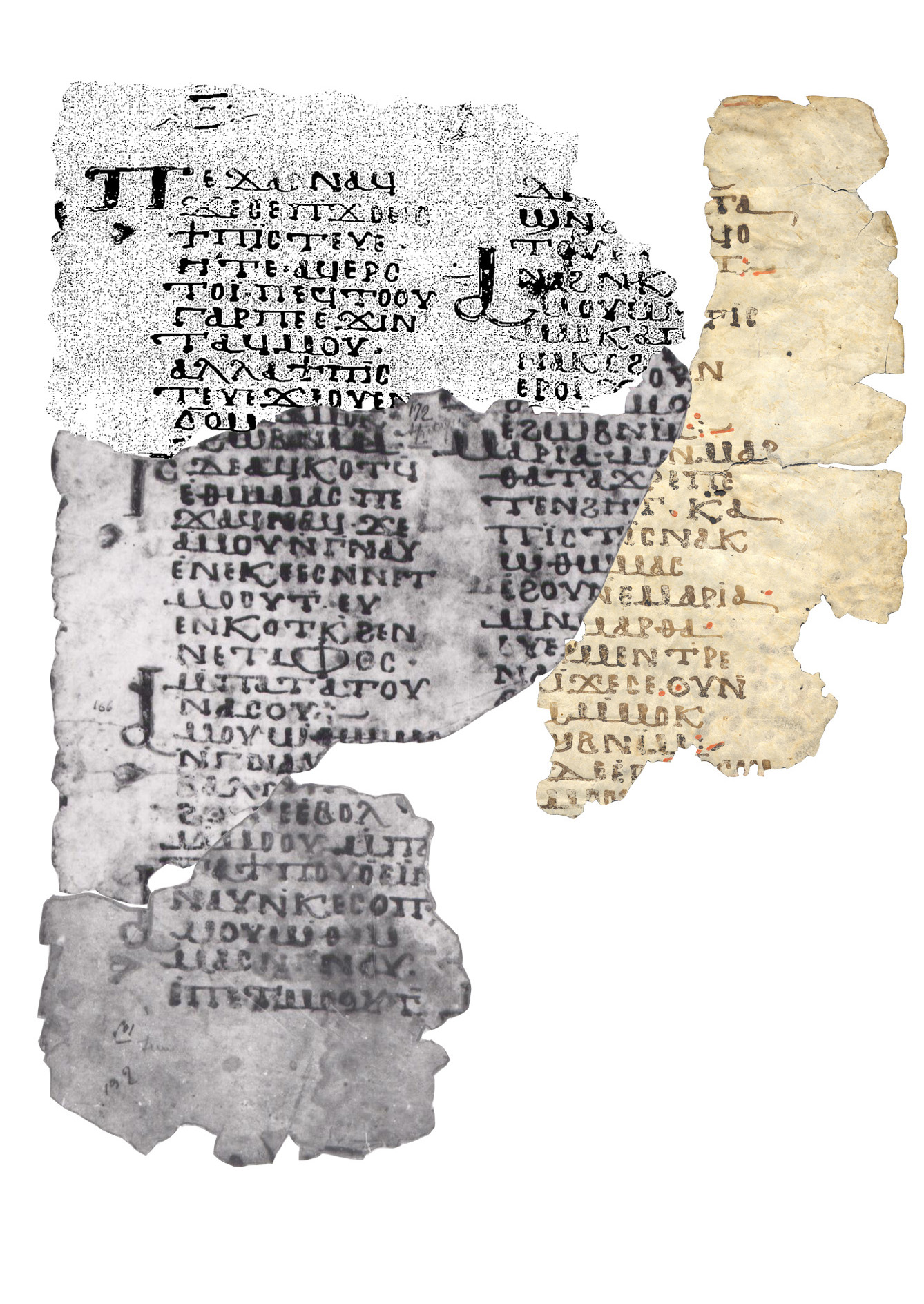
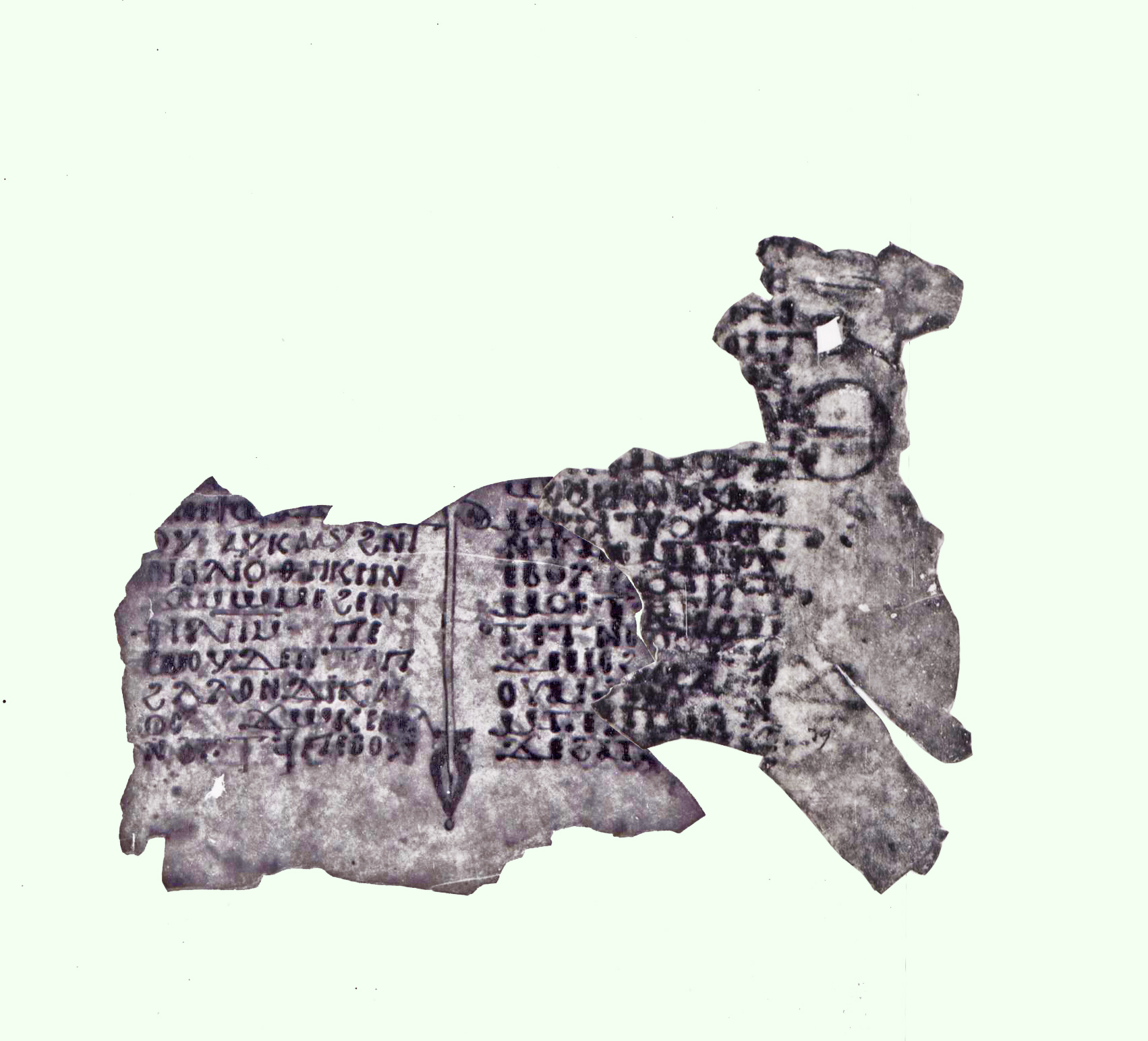
There was among the fragments one scrap of parchment which contains such a small amount of text that, at first glance, I could not make very much sense out of it. However, when such cases occur, the paleographical comparison with other fragments from the White Monastery can be rewarding.
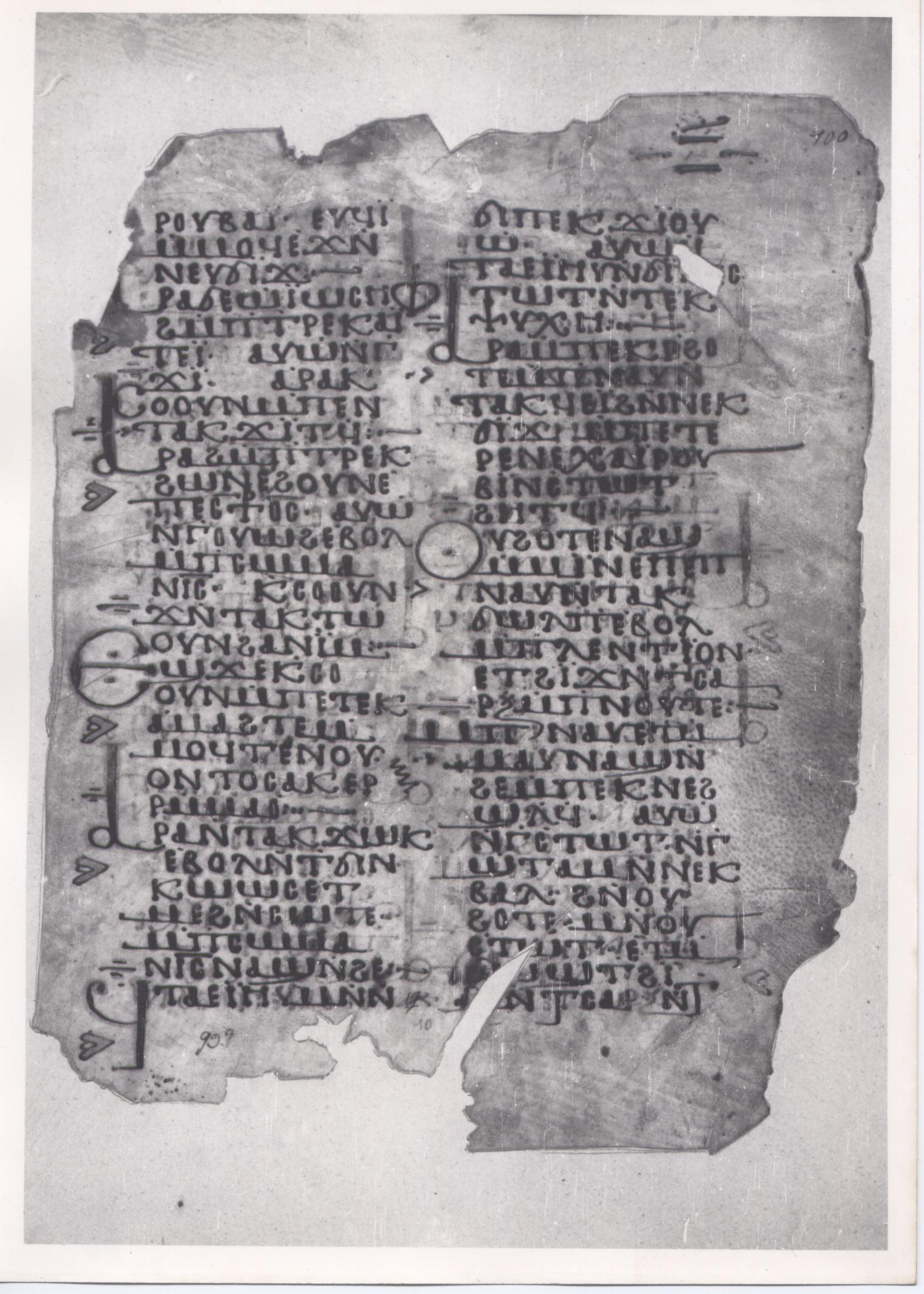
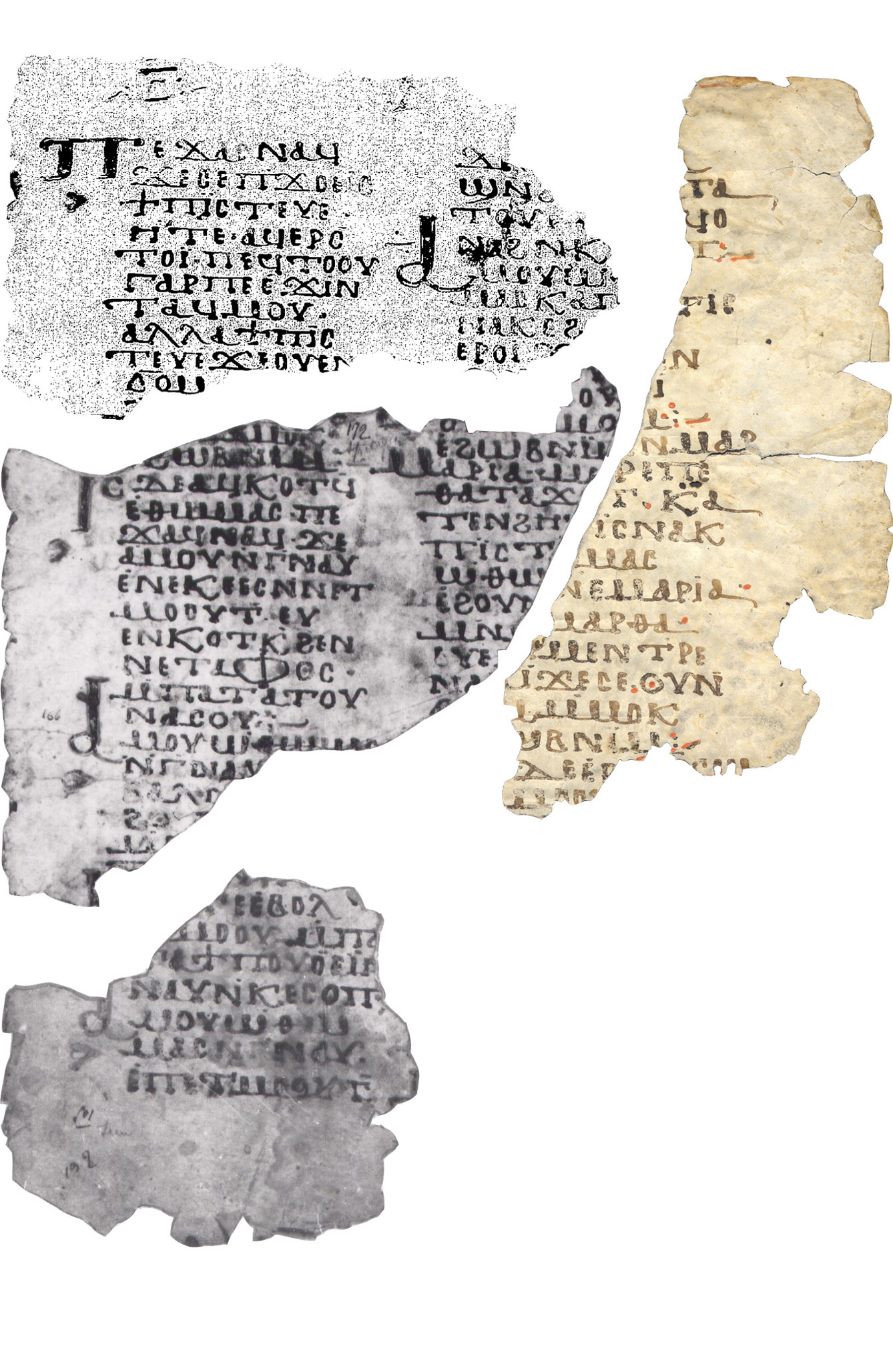
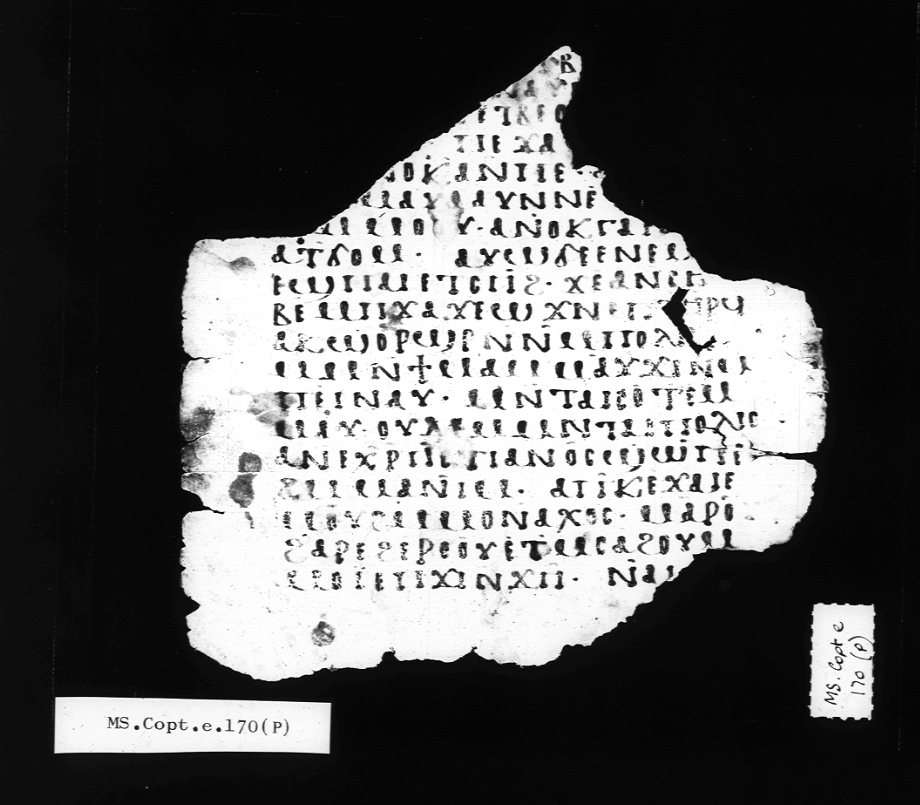
Indeed, the paleographical examination has revealed that this scrap originally belonged to a codex leaf which can be reconstructed out of three supplementary fragments. Two of these are kept today in the Bibliothèque Nationale in Paris (shelf marks 12918, f. 158 and 1315, f. 150), while a third one is in Österreichische Nationalbibliothek in Vienna (inventory number K 9371). I prepared a couple of montages of the four fragments using Adobe Photoshop (the Sotheby’s fragment is the colored one):
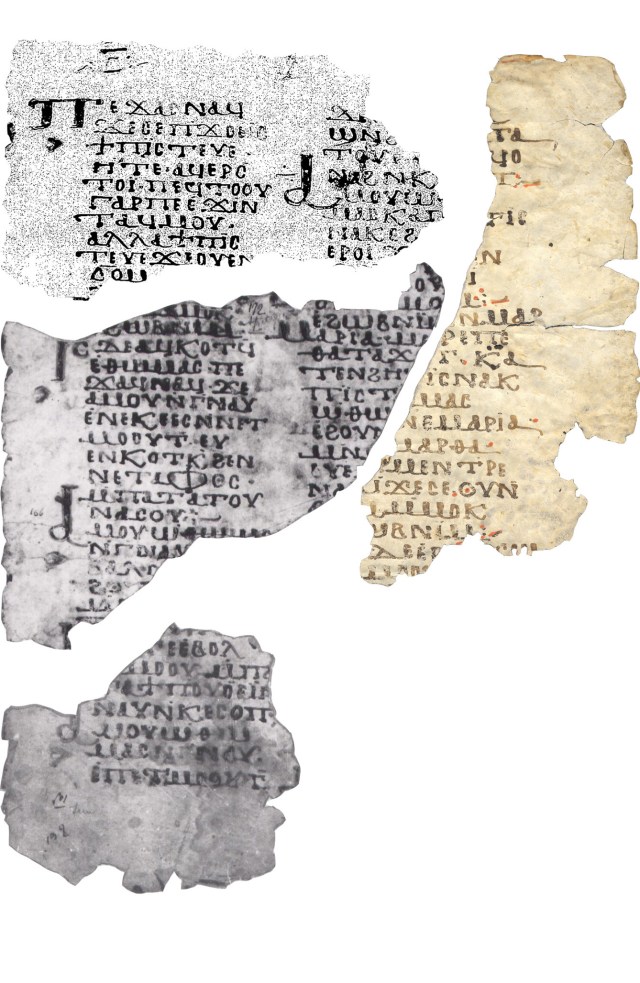 And joined together:
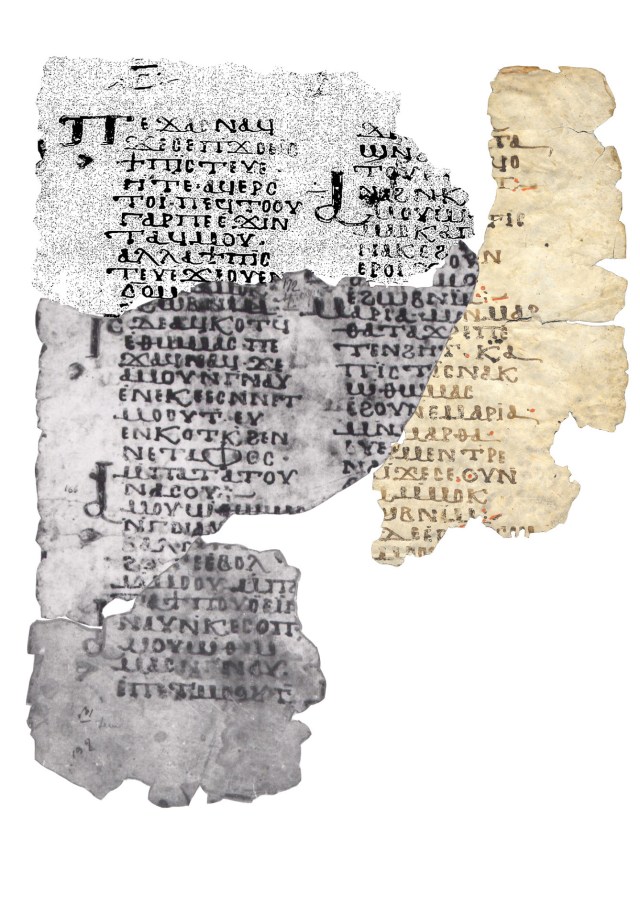 This is quite a nice puzzle. As the three other fragments have already been published, it is possible to infer on their basis the identity of the Sotheby’s fragment which previously escaped identification.
WHAT TEXT IS THIS?
These fragments contain an interesting apocryphal text which Continue reading →
 The manuscript tradition of this vast and composite corpus Continue reading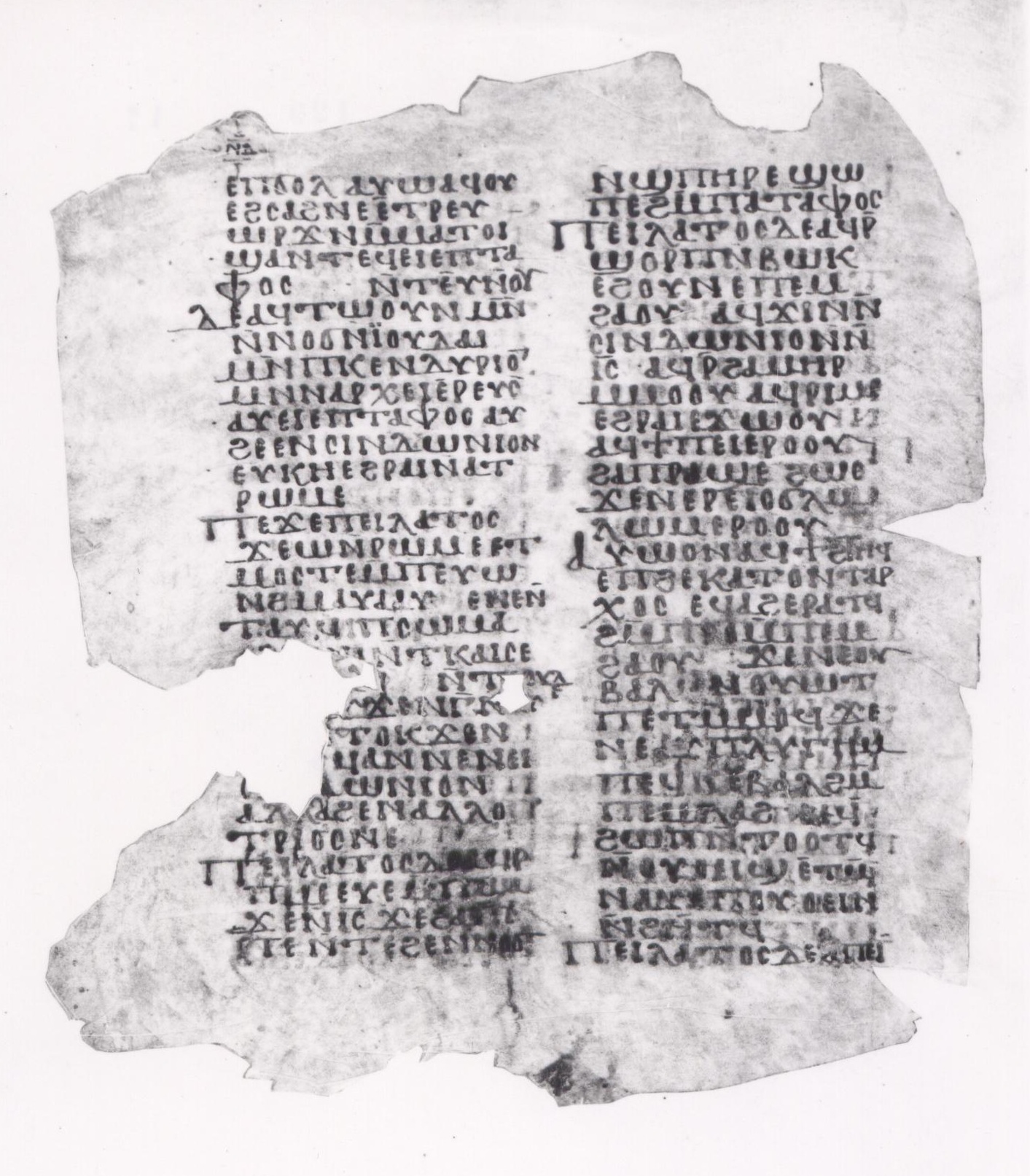


 Antiquity and Christianity din Claremont, iar celălalt german, coordonat de Hans-Martin Schenke în Berlinul de Est (Berliner Arbeitskreis für koptisch-gnostischen Schriften). Proiectul canadian a luat un avânt remarcabil la începutul anilor 1990, odată cu implicarea financiară a Fundaţiei Joseph-Armand Bombardier… continuarea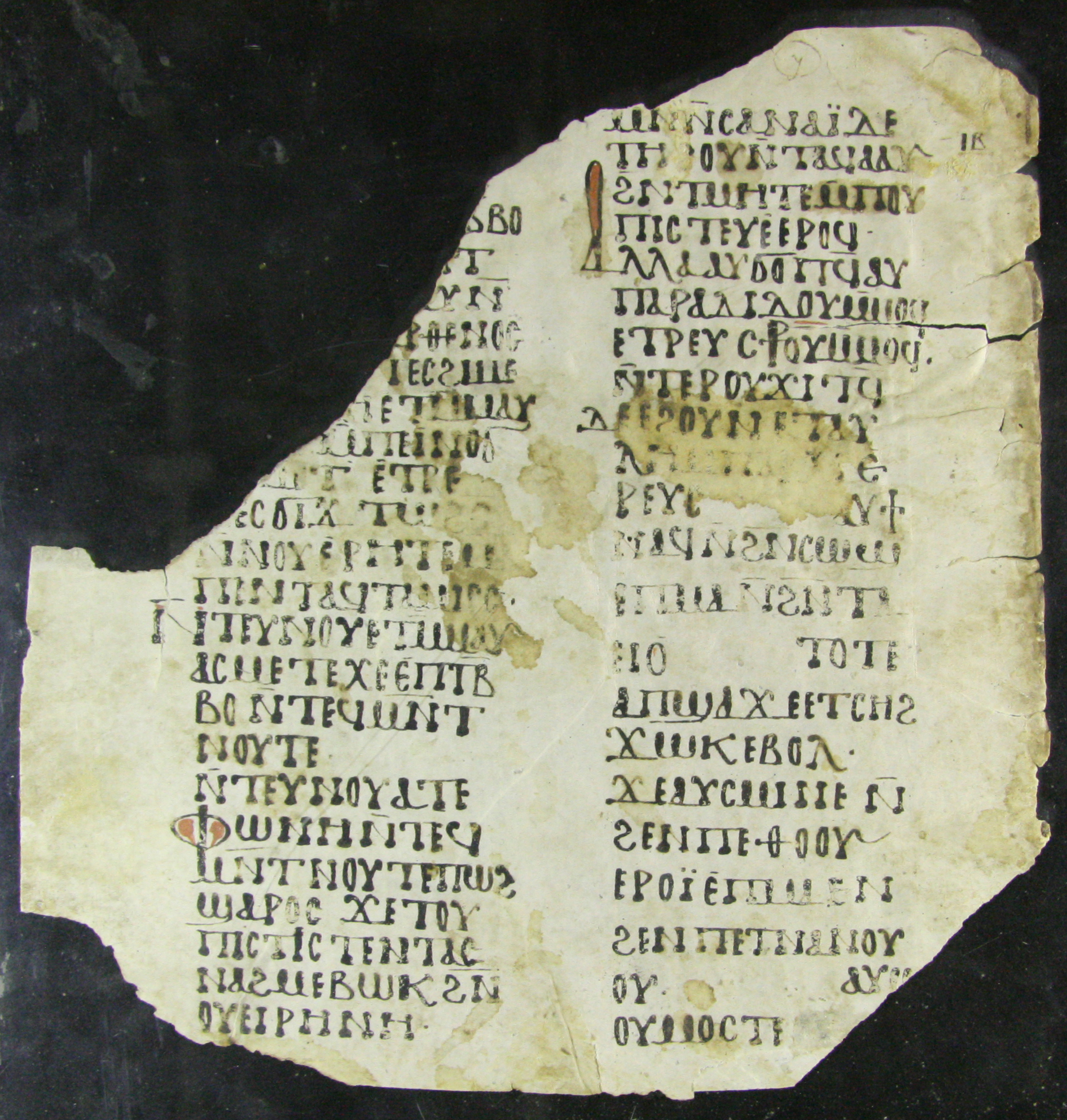
 Alin Suciu: Literatura coptă este abordată astăzi din mai multe perspective, în funcţie de competenţele şi priorităţile celor care o studiază. Trebuie precizat înainte de orice că limba în care ne este transmisă această literatură – copta – reprezintă ultimul nivel de dezvoltare al străvechii limbi faraonice şi este cunoscută ca limba vernaculară a Egiptului creştin (până la înlocuirea ei cu araba). Datorită aceastei descendenţe mulţi egiptologi şi-au însuşit copta pentru clarificarea anumitor dileme lingvistice ale egiptenei vechi, care în coptă îşi găsesc o explicaţie. Să nu uităm că pentru Champollion, primul occidental care a realizat că limba coptă este o formă tardivă a egiptenei, această intuiţie a fost decisivă atunci când a descifrat limba faraonilor. O şi spune de altfel foarte limpede într-una dintre scrisorile către fratele său: „…je me livre entièrement au copte. Je veux savoir l’égyptien comme mon français parce que sur cette langue sera basé mon grand travail sur les papyrus égyptiens.” continuarea











 Alin Suciu